Independentreport – Iran’s supreme leader has put the Iran protest deaths blame on the United States, escalating an already tense standoff between authorities and demonstrators after days of deadly unrest across several cities.
State media amplified the leader’s remarks, which framed the turmoil as a foreign-engineered plot rather than a domestic crisis rooted in social and economic grievances. By placing the Iran protest deaths blame on Washington, the leadership signaled that it views the demonstrations primarily through a geopolitical lens, not as a reflection of internal dissent.
Security forces have deployed heavily in key urban centers, with reports of internet slowdowns and restricted mobile access. Human rights organizations outside the country accuse authorities of using excessive force, while officials insist they are restoring order against what they describe as “rioters” and “foreign-backed saboteurs.”
Officials have announced arrests of individuals they allege have ties to foreign intelligence networks, citing this as further justification for attributing the Iran protest deaths blame to external enemies. Detained activists reportedly include students, journalists, and civil society figures who have documented clashes and shared footage online.
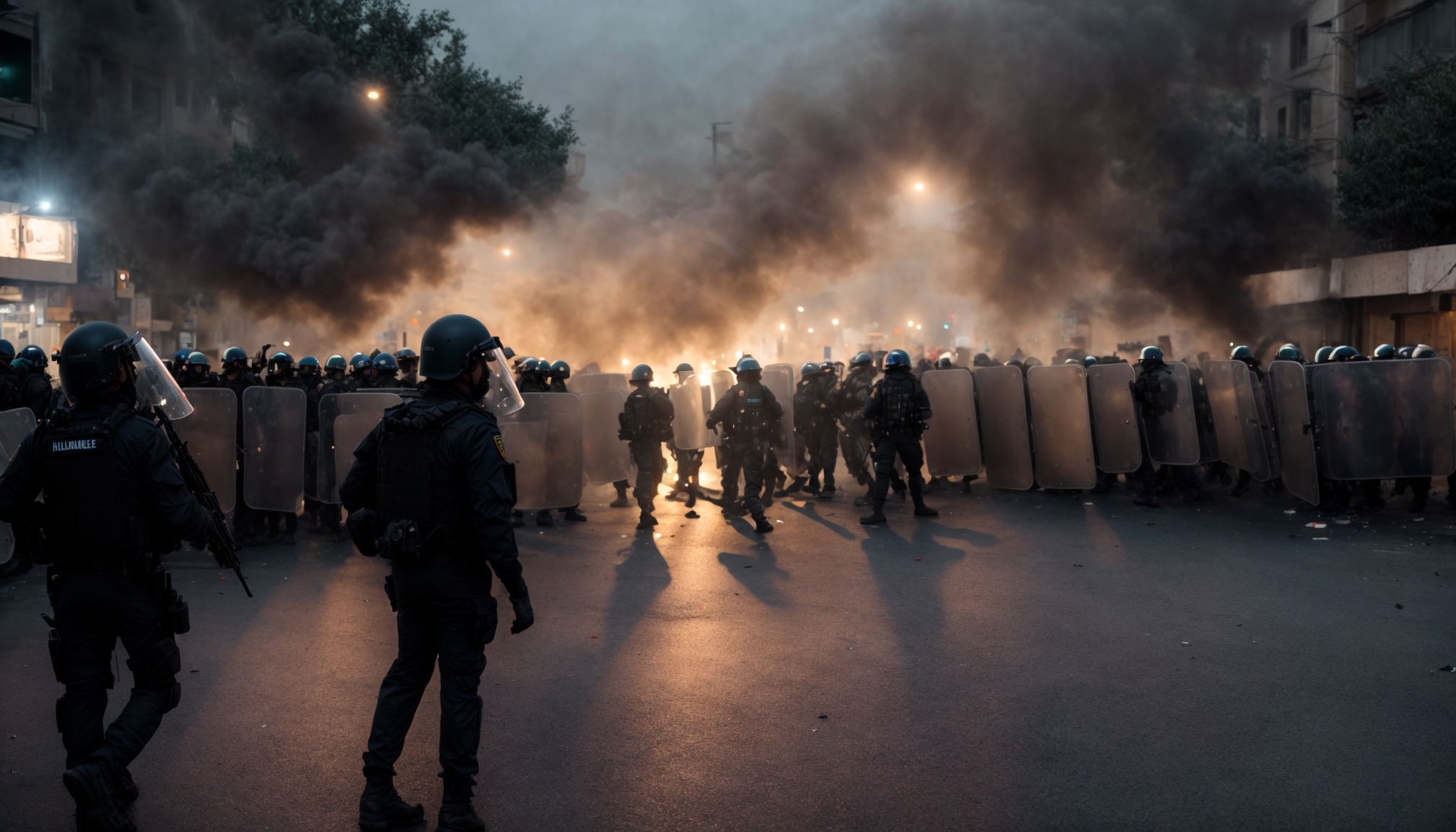
Security units in riot gear have appeared in videos dispersing crowds with tear gas, batons, and, in some disputed cases, live ammunition. Authorities have neither confirmed nor denied the use of live rounds, but they claim security personnel also suffered injuries. Meanwhile, hospitals in affected regions remain under pressure as doctors treat both protesters and security officers amid tight surveillance.
Demonstrators cite rising living costs, political restrictions, and anger over previous crackdowns as key drivers of the latest unrest. Many protesters reject the Iran protest deaths blame narrative promoted by the leadership, arguing that domestic policies, not foreign powers, lie at the heart of the crisis.
Videos shared on social media show crowds chanting slogans against corruption and calling for accountability for those killed in the streets. Despite communications curbs, tech-savvy Iranians have used virtual private networks and alternative platforms to bypass blocks and circulate images of the confrontations.
Read More: Latest reports on global human rights violations and protest crackdowns
Western governments, including the United States, have condemned the security response and urged Iranian authorities to respect the right to peaceful assembly. Washington has firmly rejected the Iran protest deaths blame directed at it, calling the accusations an attempt to deflect from domestic accountability.
In addition, several European countries summoned Iranian ambassadors to express concern about the rising death toll and reports of mass detentions. United Nations officials have called for independent investigations into the casualties and for Tehran to allow unrestricted internet access so the global community can reliably assess what is happening on the ground.
State broadcasters continue to highlight alleged foreign interference, broadcasting images of seized weapons and confessions that critics say may have been extracted under pressure. This media strategy reinforces the Iran protest deaths blame line and seeks to rally loyal supporters against what the leadership portrays as an international conspiracy.
On the other hand, exiled journalists and rights groups rely on eyewitness accounts, satellite imagery, and leaked documents to challenge the official narrative. Fact-checking organizations attempt to verify footage from protests, but partial blackouts and fear of reprisal make independent confirmation difficult.
The current unrest follows a pattern seen in previous waves of demonstrations, where economic strain and political frustration converged. In those cases, the leadership also tried to place the Iran protest deaths blame on foreign adversaries, arguing that rivals exploited genuine grievances to destabilize the country.
However, analysts note that each new round of protests tends to spread more quickly and reach a broader cross-section of society. Young people, who make up a substantial portion of the population, express deep frustration over unemployment, censorship, and limited social freedoms, which fuels the persistence of street mobilization despite risks.
Diplomats and regional experts outline several potential paths forward, ranging from intensified repression to limited concessions on social or economic issues. If authorities continue to emphasize the Iran protest deaths blame on foreign powers, they may feel less pressure to engage with domestic critics or consider reforms.
Some analysts argue that dialogue with civil society, easing internet restrictions, and transparent inquiries into fatalities could reduce tensions. Others warn that if security operations expand, anger over casualties could deepen polarization and trigger further demonstrations.
Calls for accountability have become a rallying cry for many families who lost relatives during the clashes. They challenge the Iran protest deaths blame narrative by demanding the names of those responsible for orders that led to lethal force and insisting on independent legal processes.
Civic groups argue that without credible investigations and a commitment to protect basic rights, cycles of unrest will likely continue. Whether the leadership doubles down on attributing the turmoil to outside enemies or opens space for domestic dialogue may shape Iran’s political trajectory for years to come. As debates over responsibility, legitimacy, and reform intensify, the question of who bears the Iran protest deaths blame will remain central to both national and international discussions about the country’s future.