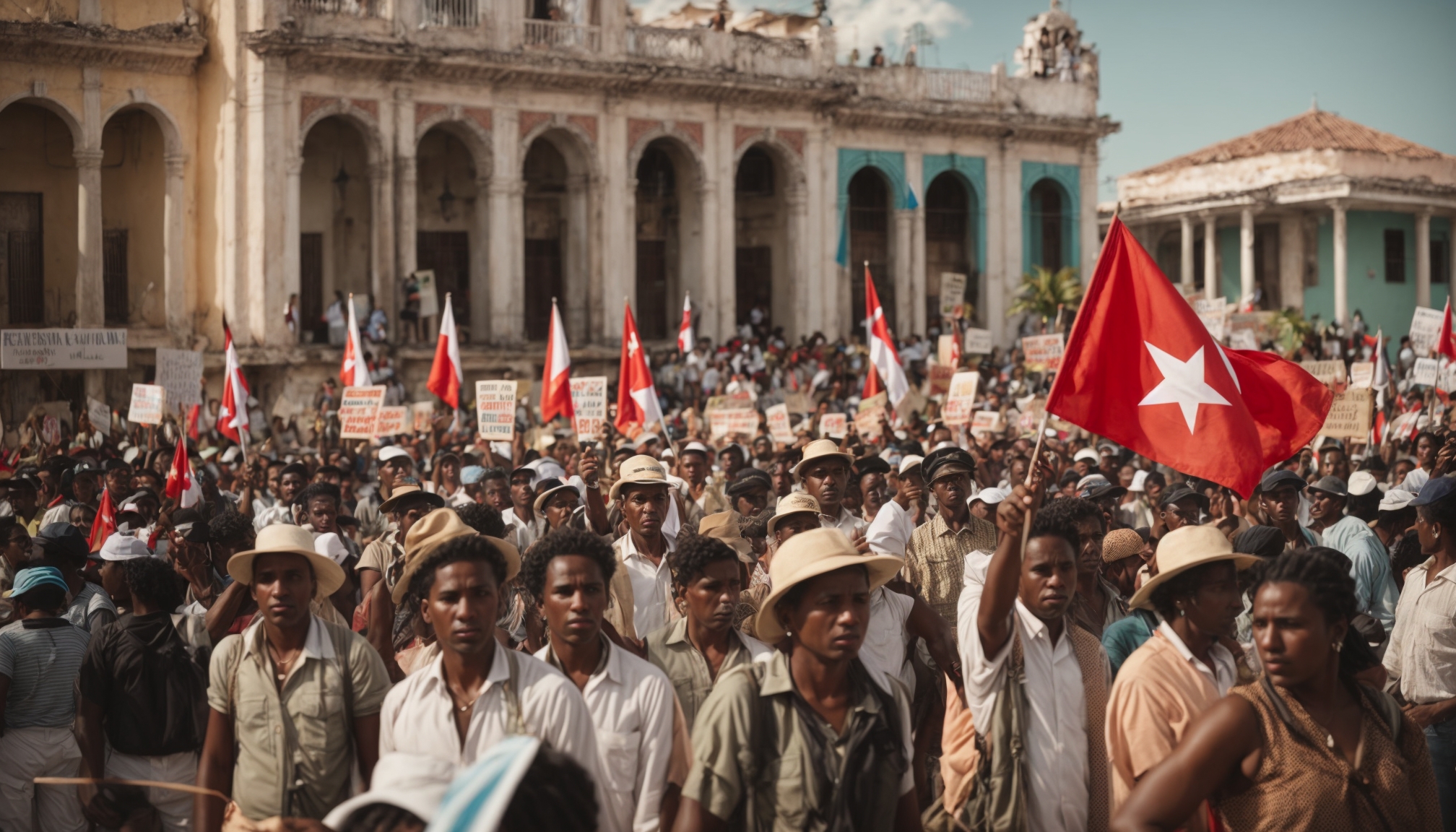
Independentreport – Cuban violence and political fallout have drawn urgent international attention amid ongoing unrest and escalating political challenges in Cuba affecting regional stability and global relations.
The recent surge in Cuban violence and political fallout has alarmed neighboring countries and significant global powers. Protests, fueled by economic hardship and political suppression, have intensified, leading to clashes between demonstrators and security forces. The government’s strict response has further exacerbated tensions, deepening political fallout within the nation.
Global leaders and institutions have expressed concern over Cuban violence and political fallout. The United Nations and the Organization of American States called for peaceful dialogue and respect for human rights. Meanwhile, several governments imposed diplomatic pressures hoping to encourage reforms and reduce violence while mitigating political fallout spreading beyond Cuba’s borders.
Domestic implications of Cuban violence and political fallout are profound. Citizens face uncertainty as economic conditions worsen and political freedoms shrink. Additionally, Cuban diaspora communities worldwide are mobilizing to advocate for change and support those affected by ongoing conflict, emphasizing the wide-reaching consequences of current events.
Baca Juga: human rights challenges and international response
Efforts to address Cuban violence and political fallout focus on dialogue and international cooperation. Analysts stress that sustainable resolution requires political reforms, economic relief, and engagement from global stakeholders. Despite challenges, there remains hope for a peaceful path forward that stabilizes Cuba and lessens international tensions.
Cuban violence and political fallout extend beyond domestic borders, influencing regional stability and international relations. Countries in the Caribbean and Americas watch closely as the situation evolves, aware of potential spillovers. This international focus highlights the critical need for coordinated actions to address the causes and consequences of the unrest.