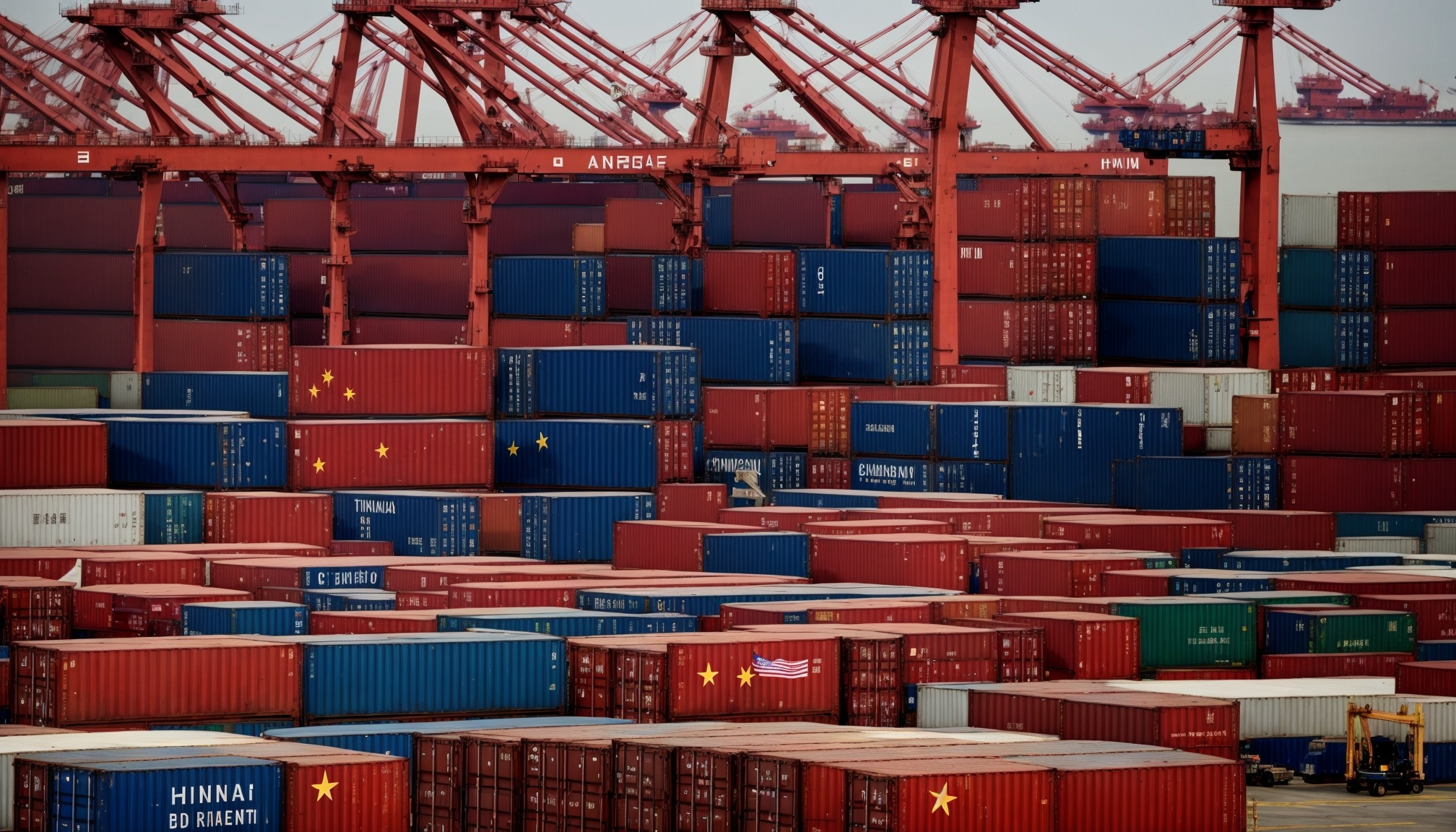
Independentreport – China U.S. trade tensions have intensified with recent announcements on tariff adjustments, signaling persistent disputes that affect international markets and trade policies.
The China U.S. trade tensions stem from long-standing disagreements over trade balances, intellectual property rights, and market access. Over the past years, both countries have imposed tariffs on hundreds of billions of dollars worth of goods, seeking leverage in negotiations. These adjustments reflect deeper strategic competition with global economic consequences.
In the latest development, China announced changes to tariffs on selected U.S. products, while the U.S. responded with modifications on Chinese imports. These tariff adjustments come amid ongoing negotiations but have, so far, failed to resolve core disputes. The fluctuating tariffs continue to disrupt supply chains and increase costs for businesses worldwide.
The persistent China U.S. trade tensions have significant economic implications. Companies face uncertainty, which slows investment and strategic planning. Furthermore, consumers may experience higher prices due to tariffs. Governments globally monitor these developments closely, as shifts in trade policies redistribute economic advantages and influence market dynamics.
Read More: US-China Trade Relations: A Path Forward
Experts suggest that China U.S. trade tensions will likely persist without comprehensive agreements tackling the underlying issues. Both nations may continue to use tariff adjustments as negotiation tools while exploring alternative economic partnerships. Monitoring these developments is crucial for businesses and policymakers navigating the complex global trade environment influenced by China U.S. trade tensions.