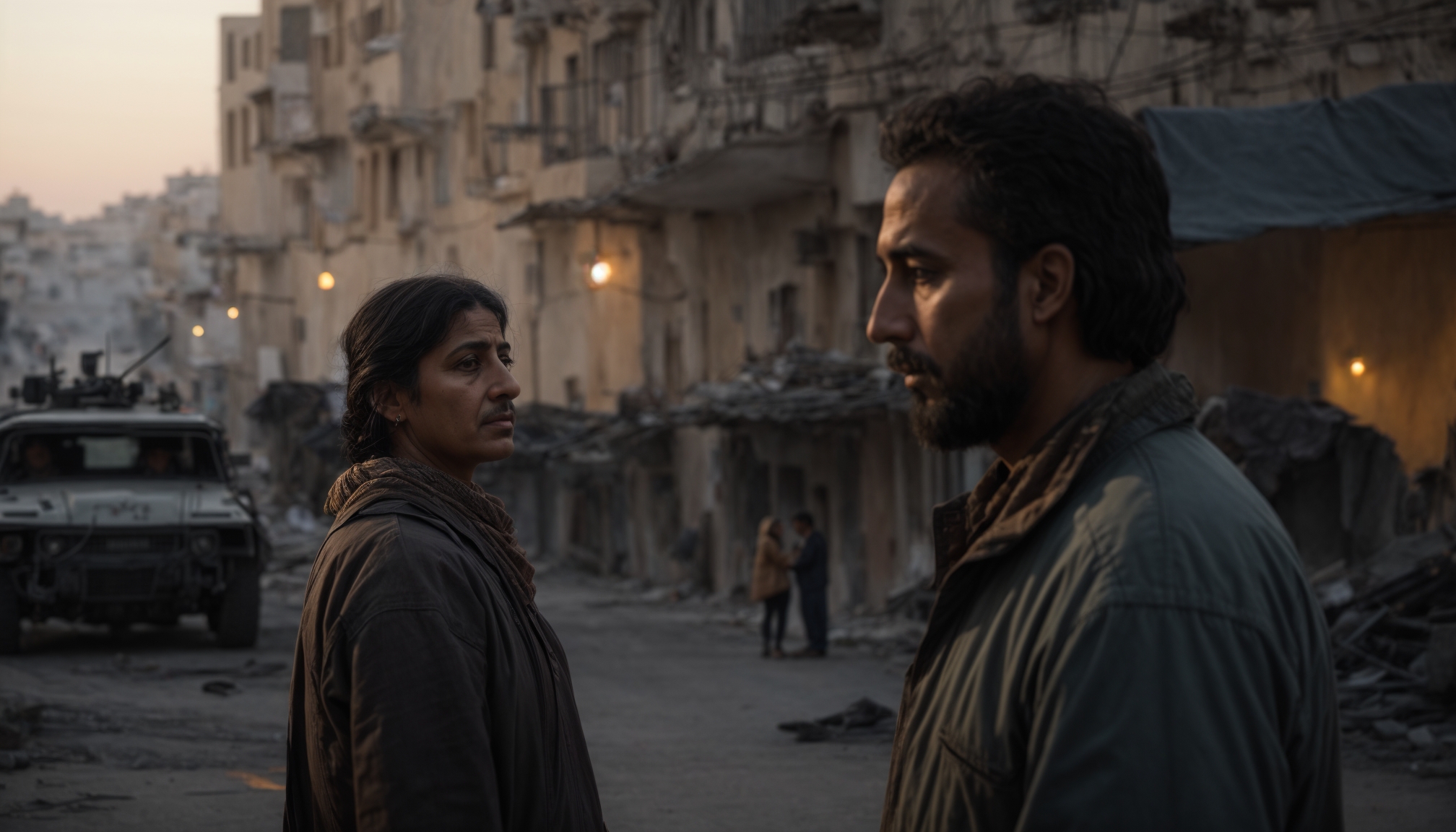
Independentreport – Fragile truces and the middle east uneasy peaces keep citizens living between brief calm and sudden violence.
Across the region, middle east uneasy peaces often appear promising yet remain structurally weak. Ceasefires emerge after intense fighting, but they rarely address root causes. Instead, they freeze conflicts on the ground while rival groups rearm and reposition. As a result, each pause in violence becomes another chapter in a longer struggle, not a final settlement.
These middle east uneasy peaces usually rely on quick diplomatic fixes. Mediators push warring parties to stop shooting without forcing real compromises. Because of that, combatants agree to halt fire but keep all core demands untouched. Once tensions rise again, the same unresolved disputes return to the battlefield.
Looking back, middle east uneasy peaces follow a recurring pattern of war, truce, and renewed clashes. Conflicts in Lebanon, Gaza, Yemen, and Syria repeatedly show how quickly truces can collapse. However, leaders still prefer short agreements to painful negotiations over status, territory, or power sharing.
In many cases, middle east uneasy peaces arrive after external pressure from powerful states. International actors want fast de-escalation to protect trade, energy flows, or regional stability. They push for silence of guns, not for deep political change. Therefore, the deals they support lack strong enforcement or credible guarantees.
Several structural drivers explain why middle east uneasy peaces rarely last. First, rival factions often use violence as a political tool. Armed groups gain leverage, territory, or recognition by fighting, not by compromising. On the other hand, they fear that stable peace could weaken their armed relevance and popular support.
Second, many states in the region face internal legitimacy crises. Governments struggle to deliver economic opportunity, fair justice systems, or inclusive representation. Because of that, opposition groups turn to arms, and ruling elites rely on security forces rather than reform. Temporary calm then protects the status quo instead of transforming it.
Another central factor that shapes middle east uneasy peaces is the role of external powers. Regional rivals fund militias, supply weapons, and shape media narratives. Their goal is not always peace, but influence. Consequently, each ceasefire becomes part of a larger competition for regional dominance.
Global powers also play complex roles in middle east uneasy peaces. They sometimes broker deals and deploy envoys, yet they pursue their own strategic interests. Military bases, arms sales, and alliances often matter more than long-term reconciliation. Even when outside powers support diplomacy, they rarely insist on painful concessions for their allies.
For civilians, middle east uneasy peaces mean living in a constant state of uncertainty. Families rebuild homes after airstrikes without knowing if the next round of fighting sits weeks or years away. Meanwhile, young people grow up under blockades, curfews, and checkpoints, shaping their views on coexistence and trust.
In addition, humanitarian agencies must operate inside these unstable truces. They race to deliver food, medicine, and shelter before violence resumes. Once clashes restart, aid routes close and essential services break down. Every collapse of middle east uneasy peaces deepens trauma and erodes hope for political solutions.
Media coverage also influences perceptions of middle east uneasy peaces. Short news cycles focus on dramatic airstrikes and rocket attacks. After that, once a ceasefire is announced, attention often fades. This rapid shift creates the illusion that calm equals resolution, even when nothing fundamental has changed.
Political leaders exploit these dynamics by claiming victory after each truce. They frame middle east uneasy peaces as proof of strength or resilience. Nevertheless, such claims rarely mention the lack of structural reform, justice mechanisms, or serious dialogue with opponents. Publics hear proud speeches but continue to face fragile realities.
Read More: How fragile ceasefires shape long-term stability and regional power balances
Weak institutions lie at the heart of many middle east uneasy peaces. Courts lack independence, security forces answer to factions, and parliaments struggle to reflect social diversity. Because formal systems remain brittle, informal armed networks gain influence. That imbalance makes every agreement vulnerable to spoilers with guns.
Furthermore, disputed borders and contested territories keep middle east uneasy peaces under constant strain. Communities on both sides feel insecure and often fear demographic changes, resource grabs, or forced displacement. Without credible monitoring and fair resource sharing, small incidents along these lines can quickly ignite broader escalation.
Religion and identity frequently play powerful roles in middle east uneasy peaces. Competing leaders mobilize supporters through sectarian and ethnic narratives. They present conflicts as existential struggles rather than negotiable disputes. As a result, compromise starts to look like betrayal rather than pragmatic problem solving.
Yet, religious leaders and community figures can also help stabilize middle east uneasy peaces. When they endorse coexistence and condemn attacks on civilians, they reduce support for armed escalation. However, this influence depends on whether they enjoy independence from political factions and external sponsors.
Transforming middle east uneasy peaces into more durable settlements requires several shifts. First, negotiations must address core issues such as power sharing, security arrangements, and rights protections. Quick fixes may silence guns briefly, but deeper compromise prevents the next spiral of violence.
Second, inclusive processes matter. When women, youth, and marginalized groups join talks, they often push for human security rather than narrow factional gains. Their participation can widen the agenda beyond borders and weapons. In that way, middle east uneasy peaces begin to include schools, jobs, and justice in their goals.
Region-wide approaches could also strengthen middle east uneasy peaces. States and non-state actors share borders, trade routes, and security threats. Therefore, they benefit from frameworks that reduce proxy wars and arms flows. Regional dialogues, confidence-building measures, and economic integration can slowly lower incentives for armed confrontation.
Ultimately, middle east uneasy peaces highlight the gap between stopping violence and building genuine stability. Citizens need more than pauses in fighting; they need accountable institutions, fair economic systems, and inclusive politics. When those foundations appear, the middle east uneasy peaces can finally evolve into lasting, credible calm that withstands future shocks.