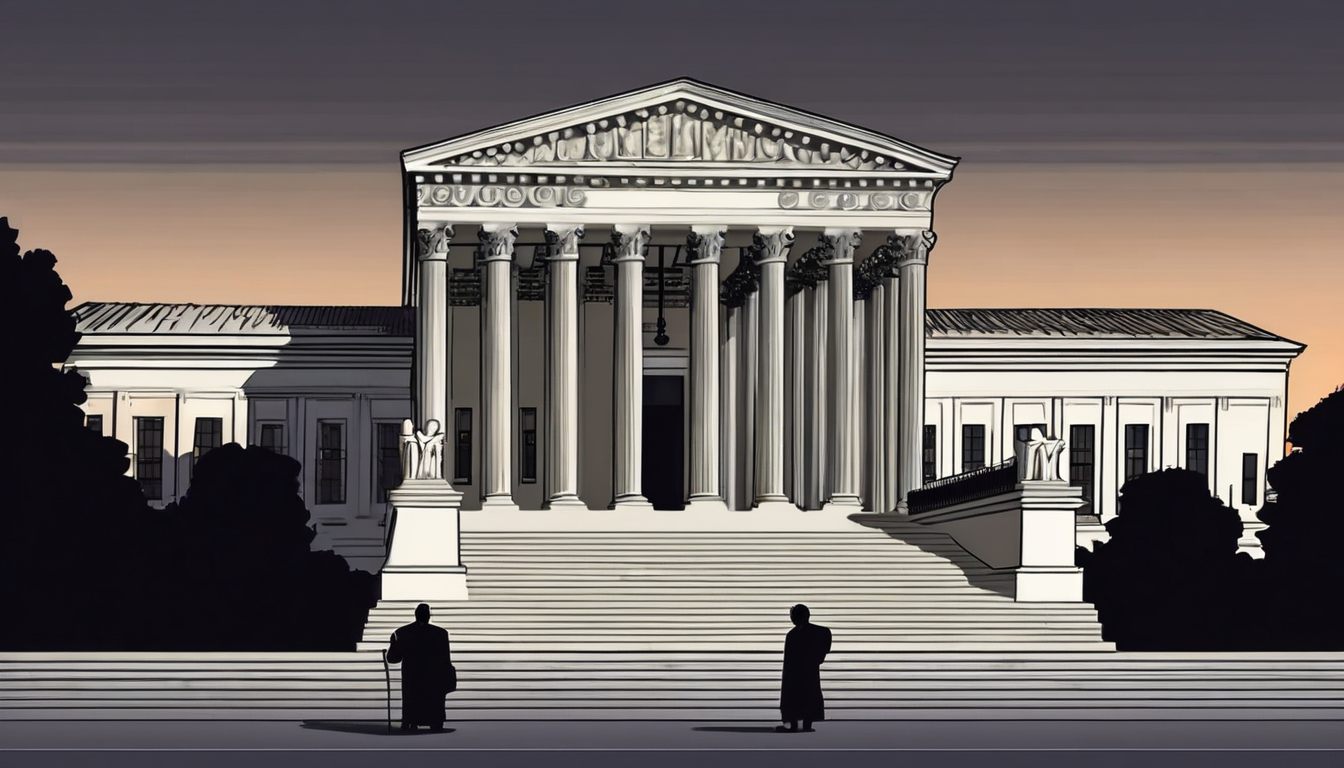
Independentreport shows how the supreme court political power often outlasts presidents and lawmakers, reshaping national politics through long‑lasting rulings and lifetime appointments.
Many people focus on elections, yet the supreme court political power quietly sets the rules of the game. Just nine justices can redefine voting rights, campaign finance, abortion access, gun laws, and executive authority. Their rulings become binding precedents that lower courts must follow.
Because justices serve for life, a single appointment can influence legal debates for 30 or 40 years. Therefore, each new justice shifts the Court’s balance and can move the law either in a more conservative or more liberal direction. This shift then shapes which cases activists bring and which policies lawmakers dare to propose.
Over time, the supreme court political power crystallizes into a body of precedent. These precedents structure what governments can and cannot do. As a result, political parties adapt their strategies to fit the boundaries that the Court has drawn.
The U.S. Constitution grants federal judges, including justices, life tenure “during good behavior.” This makes the supreme court political power unusually stable compared with elected branches. Presidents come and go, but their judicial picks remain.
For example, some justices appointed in their 40s stay on the bench well into their 80s. That means a president serving four or eight years can influence the Court for decades. Meanwhile, senators who confirm these nominees also leave a long political footprint through their votes.
Because of this structure, interest groups and party leaders increasingly treat Court seats as political prizes. They invest heavily in shaping the nomination process, media narratives, and public opinion. The goal is clear: lock in a version of the supreme court political power that matches their long‑term agenda.
Landmark rulings act like political earthquakes. They reset the legal landscape overnight and force parties to adjust their platforms. Voting rights cases, for instance, can change who finds it easier or harder to cast a ballot. That directly affects which coalitions can win elections.
Similarly, decisions on campaign finance transform how money flows into politics. By changing rules for donations and spending, the Court indirectly shapes which voices dominate the public conversation. In this way, the supreme court political power extends into the media, advocacy, and grassroots organizing.
Read More: How decades of Supreme Court rulings quietly rewrote American political life
Cultural issues create another arena of influence. When the Court recognizes or restricts rights related to marriage, privacy, religion, or bodily autonomy, it energizes some voters and alienates others. Political strategists then build campaigns around these emotional turning points, again highlighting how the supreme court political power shapes long‑term alignments.
Each justice brings a particular judicial philosophy. Some emphasize a strict reading of the Constitution’s text. Others give more weight to precedent or evolving social standards. These approaches determine how flexible or constrained the law becomes in key areas.
Over time, justices form ideological blocs that regularly vote together. These coalitions influence whether the Court is seen as liberal, conservative, or closely divided. The stable presence of such blocs shows how the supreme court political power is not only legal but also partisan in its effects, even when justices claim neutrality.
Nevertheless, justices sometimes break expectations. A conservative appointee may side with liberals on individual rights, or a liberal may join conservatives on executive power. These surprises can shift the ideological center and complicate party strategies built on assumptions about the Court.
Political actors constantly react to signals from the judiciary. When the Court narrows voting protections, states may rush to pass new election laws. When the Court expands free speech for political spending, parties adjust fundraising tactics. Through these feedback loops, the supreme court political power guides the shape of future campaigns.
In addition, candidates use Court decisions as campaign messages. They promise to appoint certain types of judges or to pass laws that might invite new challenges. This dynamic turns the Court into both a legal and symbolic player. Voters may cast ballots based on how they expect the Court to rule on future controversies.
Legislators also study recent rulings to design policies that will survive judicial review. Sometimes they craft bills specifically to provoke a test case. That way, they can push the Court to clarify the scope of the supreme court political power in hotly contested areas.
Modern nomination fights reveal how openly political the process has become. Senators often evaluate nominees not just on competence, but on perceived ideology. Advocacy groups run campaigns for or against nominees, knowing that each seat can tip the long‑term balance.
Televised hearings and intense media scrutiny turn confirmations into national events. As a result, public opinion can pressure senators to support or oppose a candidate. Controversial rulings from lower courts or past writings become ammunition in these battles.
Because the stakes are so high, presidents often choose nominees who seem reliable in advancing a particular worldview. Yet history shows that some justices evolve over time, making the supreme court political power difficult to predict with perfect accuracy.
Occasionally, Supreme Court rulings provoke strong public backlash. Massive protests, legislative countermeasures, and calls for reform can follow overnight. In extreme cases, political leaders even discuss changing the size of the Court or limiting its jurisdiction.
Despite this, the Court rarely reverses course quickly. The doctrine of stare decisis encourages justices to respect past decisions. Therefore, even controversial rulings can stand for years, reinforcing the supreme court political power against short‑term political storms.
Yet long‑term pressure can eventually lead to shifts. New justices, evolving public values, or different legal arguments may persuade the Court to overturn old precedents. When that happens, the political system adapts once again.
Citizens who care about policy outcomes must recognize how the supreme court political power shapes those outcomes over generations. Voting in presidential and Senate elections indirectly influences who interprets the Constitution. Paying attention to judicial nominations is therefore as important as following legislative debates.
Activists, lawyers, and community leaders also adjust their strategies with the Court in mind. They choose test cases, craft narratives, and build coalitions that can move legal doctrine. Through each decision, the Court sends signals back into society, reinforcing its role as a long‑term political force.
Ultimately, the supreme court political power rests on public acceptance of its authority. When citizens understand how deeply the Court’s choices mold rights, elections, and national priorities, they can better judge which battles to fight and which reforms to seek in the years ahead.